Is there a cross-border marketplace?
Domestic marketplaces have transformed how businesses and consumers buy within their own countries. But international commerce remains more fragmented and complex. This article explores the opportunity for a more connected cross-border marketplace and how BEYOBO is building toward a simpler digital experience for global B2B trade.

Beyobo Editorial Team
Trade Specialist
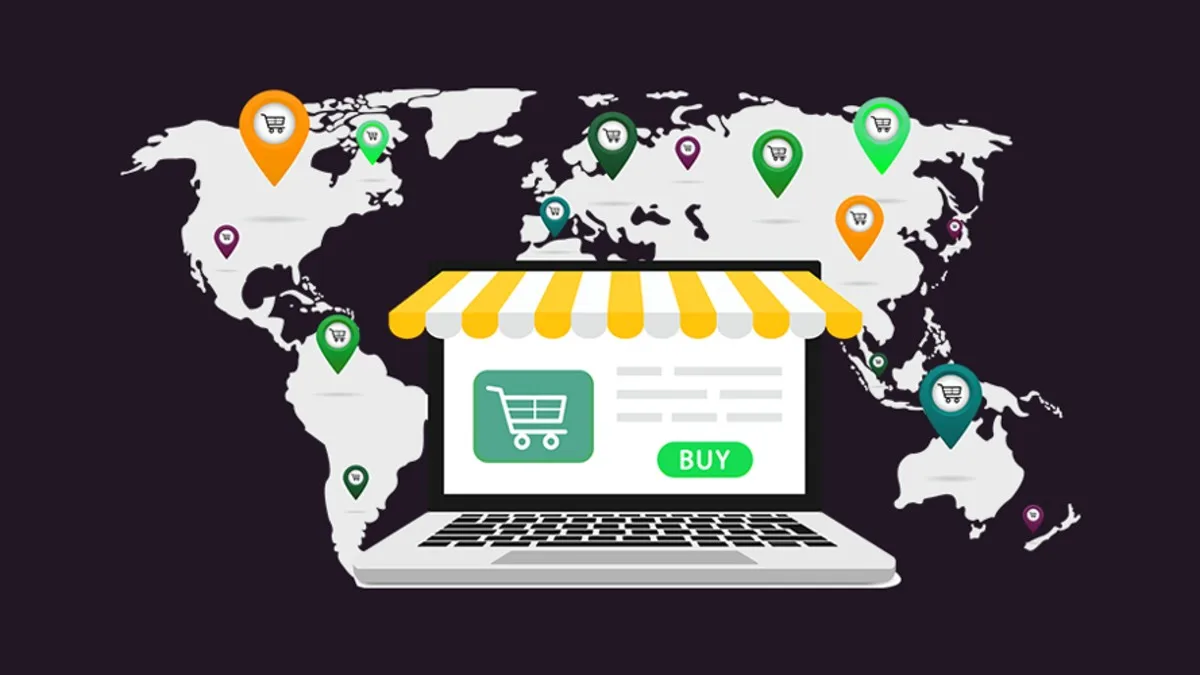
Key Takeaways for Importers
- Ensure proper IEC, GST, and category-specific licenses (CDSCO, BIS) are active before placing orders.
- Leverage bilateral trade agreements (CEPA) to benefit from concessional customs duties with valid CoO.
- Use BEYOBO landed cost calculations to eliminate hidden broker markups and port demurrage risks.
GLOBAL TRADE | CROSS-BORDER B2B COMMERCE
From Domestic Marketplaces to Global Trade: Why the World Needs a Better Cross-Border Marketplace
Domestic marketplaces have transformed the way people buy. The next opportunity is to make buying across borders just as simple. BEYOBO is building toward that future.
Think about how easy buying has become within a country.
A customer can open an app, search for a product, compare options, check prices, place an order, make a digital payment and track the delivery — often without speaking to a salesperson or worrying about the operational process behind the transaction.
Domestic B2C marketplaces have made this experience almost routine.
But what happens when the buyer and seller are in different countries?
The experience changes dramatically.
A cross-border transaction can involve supplier discovery, product verification, pricing and currency differences, payment arrangements, export documentation, customs, logistics, compliance and delivery coordination.
The digital storefront may be simple, but the transaction behind it can still be complicated.
This is where the next evolution of digital commerce could emerge: the cross-border marketplace.
And this is the opportunity BEYOBO is building for.
Domestic Commerce Has Already Been Transformed by Marketplaces
The rise of domestic B2C marketplaces changed consumer expectations.
Marketplaces brought thousands or millions of products together in one digital environment. Instead of visiting multiple physical stores, customers could discover products, compare alternatives, transact digitally and receive their purchases through integrated delivery networks.
The important innovation was not simply putting products online.
It was bringing multiple parts of the buying journey together.
Discovery, selection, payment, fulfilment and tracking became connected experiences.
This fundamentally changed what consumers expected from commerce.
Today, convenience is no longer considered an additional feature of ecommerce. It is the baseline.
The same expectation is increasingly moving into business purchasing.
But International Buying Is Still a Different Experience
Buying something from another country is not simply domestic ecommerce with a longer delivery time.
International transactions introduce another layer of complexity.
A buyer may need to identify a suitable overseas supplier, assess product quality, understand commercial terms, determine shipping costs, manage currencies and payments, handle documentation and navigate customs and import requirements.
The seller faces a different set of challenges as well.
Finding international buyers is only one part of exporting. The transaction also needs to move through logistics, documentation, customs, payment and delivery processes.
This fragmentation is one reason cross-border ecommerce remains more complicated than domestic ecommerce.
So the question is no longer whether businesses will buy and sell internationally.
The bigger question is: Can international trade become as easy to navigate as domestic digital commerce?
Is There a Cross-Border Marketplace?
The answer needs some nuance.
There are already global B2B platforms and marketplaces that help businesses discover international suppliers and buyers.
But the larger opportunity is still open.
The global market does not yet have a universally adopted equivalent of the simple domestic marketplace experience where the entire journey — from discovering a product to completing a cross-border transaction and managing supporting trade processes — feels as seamless as buying domestically.
That distinction matters.
A directory of international suppliers is not the same thing as a transaction marketplace.
A product catalogue is not the same thing as an end-to-end commerce platform.
And connecting a buyer with a seller is not necessarily the same thing as simplifying the international trade transaction itself.
The opportunity lies in bringing these layers together.
What Would a True Cross-Border Marketplace Look Like?
A mature cross-border B2B marketplace would need to go beyond product discovery.
Imagine a business buyer looking for a particular consumer product.
Instead of independently searching for overseas suppliers, negotiating through multiple channels, arranging verification, figuring out international payments and coordinating logistics, the buyer could access the product through one digital platform.
The journey could look something like this:
Discover → Compare → Verify → Order → Pay → Fulfil → Track
The technology behind the experience would need to coordinate the complexities that exist between countries.
- International supplier discovery
- Product catalogues
- Supplier and product verification
- Quality assurance
- Cross-border payments
- Currency management
- Customs and trade documentation
- International logistics
- Order management
- Shipment tracking
- Trade-related services
This is the difference between putting international products online and building infrastructure for international commerce.
Why B2B Could Be the Bigger Opportunity
Most consumers are already comfortable buying products online from domestic marketplaces.
Business procurement, however, operates on a different scale.
Businesses regularly need products in larger quantities, source from manufacturers and suppliers, compare commercial terms and manage recurring procurement requirements.
This creates a significant opportunity for technology to simplify international procurement.
For a business, the value of a marketplace is not only finding a product.
It is reducing the friction between finding the right supplier and successfully completing the transaction.
From Marketplace to Operating Layer
This could represent the next stage of ecommerce.
The first generation of marketplaces solved discovery.
The next generation can solve transactions.
And the opportunity beyond that is to solve the operations surrounding the transaction.
This is particularly important in cross-border commerce because international trade has multiple moving parts.
The implication is straightforward:
The future of the cross-border marketplace may not be another website filled with products. It may be a digital operating layer that connects the different parts of an international transaction.
This Is Where BEYOBO Comes In
BEYOBO is building with this opportunity in mind.
The platform is designed around a simple idea: international buying should not have to feel fundamentally different from digital buying at home.
BEYOBO aims to connect suppliers from one country with business buyers in another through a digital marketplace, while bringing supporting layers of the transaction into the platform.
Instead of treating product discovery, quality assurance, payments, customs and logistics as completely separate activities, the objective is to connect these stages into a more integrated cross-border commerce experience.
For suppliers, that can mean a digital route to international buyers.
For buyers, it can mean access to international products and suppliers through a more structured purchasing experience.
For the wider trade ecosystem, it represents a shift from fragmented international transactions toward a more connected digital model.
The Real Opportunity Is Not Just Selling Across Borders
Cross-border commerce is often discussed as an opportunity for businesses to enter new markets.
But there is another way to look at it.
It is an opportunity to remove the friction between markets.
A domestic marketplace does not need to make the buyer understand how a product moved from one city to another.
The buyer simply orders.
A successful cross-border marketplace could move toward the same principle.
The buyer should not need to become an expert in every operational layer of international trade just to purchase a product from another country.
The technology should increasingly handle the complexity in the background.
That is the bigger idea behind building a global B2B marketplace.
The Next Marketplace May Not Have a Geographical Boundary
The evolution of commerce has repeatedly followed the same pattern.
First, technology made products easier to discover.
Then it made transactions easier.
Then it connected payments, logistics and fulfilment.
Now, the next opportunity is to connect markets themselves.
Domestic marketplaces proved that commerce can become digital, searchable, transparent and convenient.
Cross-border commerce is still working through the complexity that exists between countries.
The opportunity for the next generation of marketplaces is therefore not simply to build another catalogue of products.
It is to build the infrastructure that allows businesses to discover, transact and trade internationally with less friction.
That is the opportunity BEYOBO is pursuing.
If domestic marketplaces made it easier to buy within a country, what will make it just as easy to buy from another country?
BEYOBO is building toward that answer.
Frequently Asked Questions About Cross-Border Marketplaces
What is a cross-border marketplace?
A cross-border marketplace is a digital platform that connects buyers and sellers located in different countries. Depending on the platform, it can support product discovery, procurement, payments, logistics, documentation and other international trade services.
How is a cross-border marketplace different from a domestic marketplace?
A domestic marketplace primarily facilitates commerce within one country. A cross-border marketplace needs to account for additional considerations such as international payments, customs, documentation, currencies, logistics, compliance and quality assurance.
Why is cross-border B2B ecommerce more complex?
Cross-border B2B ecommerce can involve multiple parties, countries, currencies and regulatory requirements. Buyers and suppliers may also need to manage quality verification, documentation, customs, payments and international logistics.
What is BEYOBO building?
BEYOBO is building a cross-border B2B marketplace designed to connect international suppliers with business buyers while bringing supporting layers of the transaction into a more connected digital experience.
Can a cross-border marketplace make international trade easier?
A well-designed cross-border marketplace can reduce fragmentation by bringing supplier discovery, procurement and supporting trade processes into a connected digital workflow. The objective is to reduce friction for businesses buying and selling internationally.
Building the Future of Cross-Border Commerce
The next evolution of ecommerce may not simply be about selling more products online. It may be about making markets easier to access across borders.
Explore what BEYOBO is building for global B2B commerce.
Need Assistance with Cross-Border Trade?
BEYOBO helps Indian SMEs import wholesale goods directly from verified Asian factories with end-to-end customs clearance.